
Key Lessons
The investment opportunity of our generation
Climate change is the defining challenge of our time. With unequivocal scientific evidence that greenhouse gas emissions are warming the planet, the world must transition to a low-carbon model for sustainable economic growth.

LESSONS LEARNED
Accelerating the transition to a low-carbon future
We are all investors in the future of the planet. As the only investment-focused summit at COP21, Climate & Capital explored the critical role of finance in the necessary transition to a low-carbon economy. These historic conversations proved that investors can simultaneously have a positive impact on their financial portfolios and on climate change. Here are the key lessons from the event:
Act now
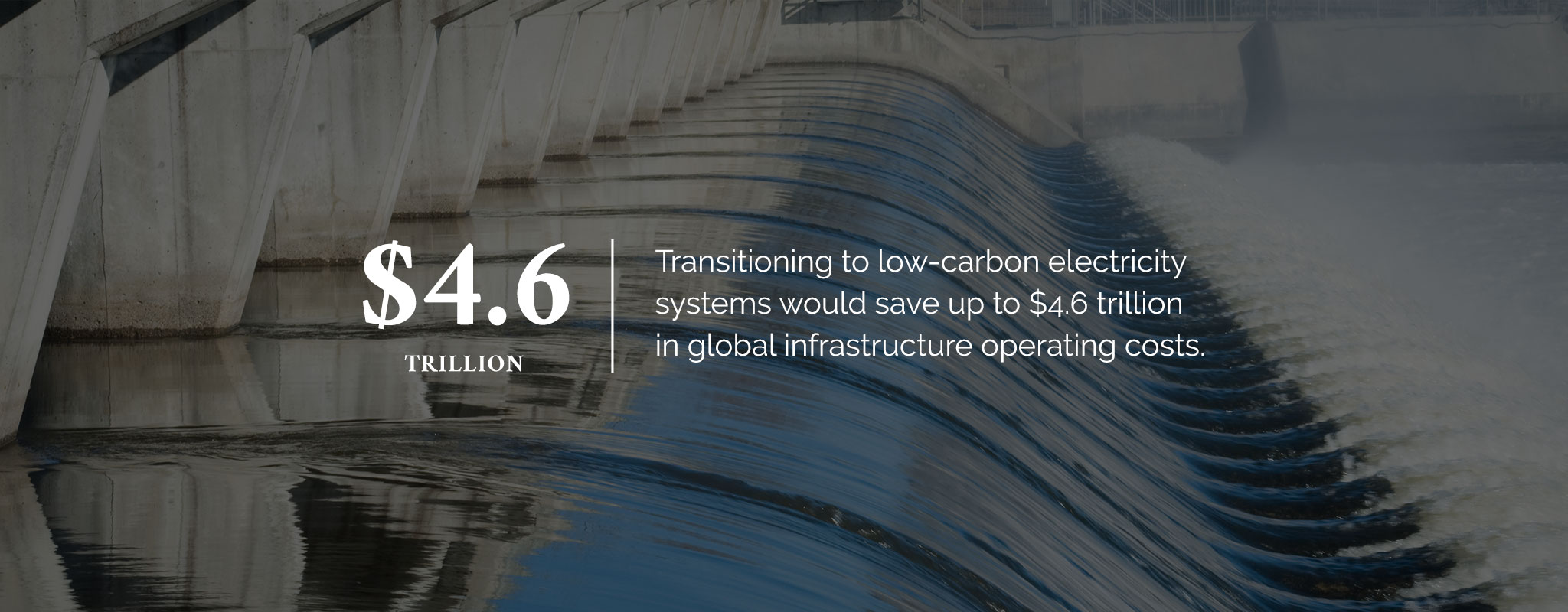
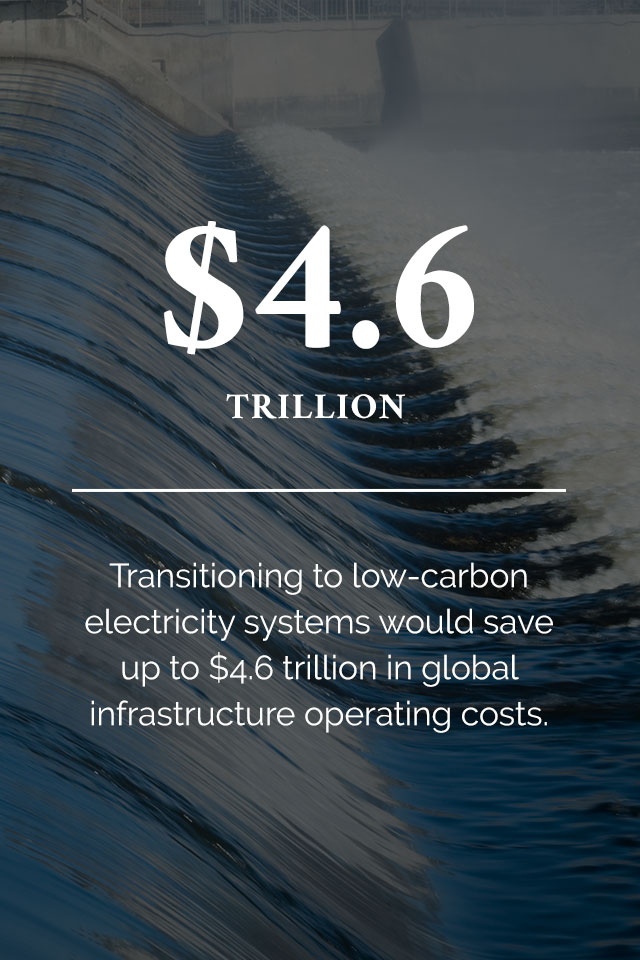
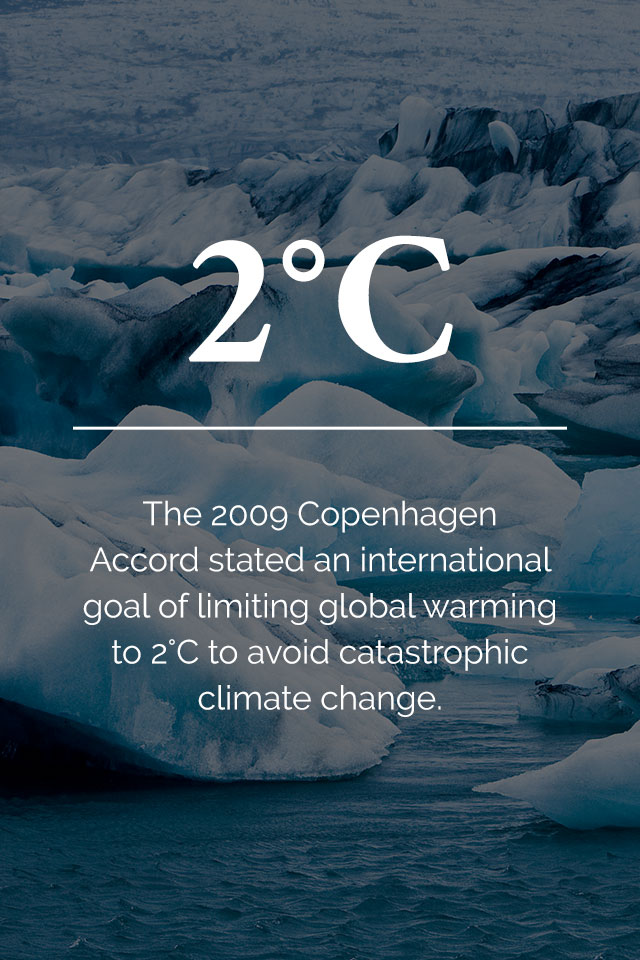
- Climate change will undoubtedly affect investable assets.To limit global warming to the internationally agreed upon 2°C, investments in low-carbon energy technologies will need to double (reaching $500 billion per year by 2020), and then double again to $1 trillion by 2030.
- Climate shift is an investment opportunity. Mainstream investment will accelerate the rate at which economic growth decouples from carbon emissions.
- Investors have a fiduciary responsibility to address climate change. Sustainable investing bases decisions on the full range of risks and opportunities to to finance low-carbon technologies and infrastructure models that take our changing climate into account.
- Environmental factors, when integrated into investment analysis and decision making, create opportunities for growth.
Enhance Your Strategy
- Cost-competitive, low-carbon innovations are growing. Some are outperforming low-carbon investment options. Combined with strengthened investor knowledge, these are driving the early stages of a climate and capital convergence.
- High-carbon sectors and assets are witnessing historic value loss. The four largest coal companies lost 90 percent of their market capitalization in 2015, while the ten leading clean energy ETFs beat the S&P500.
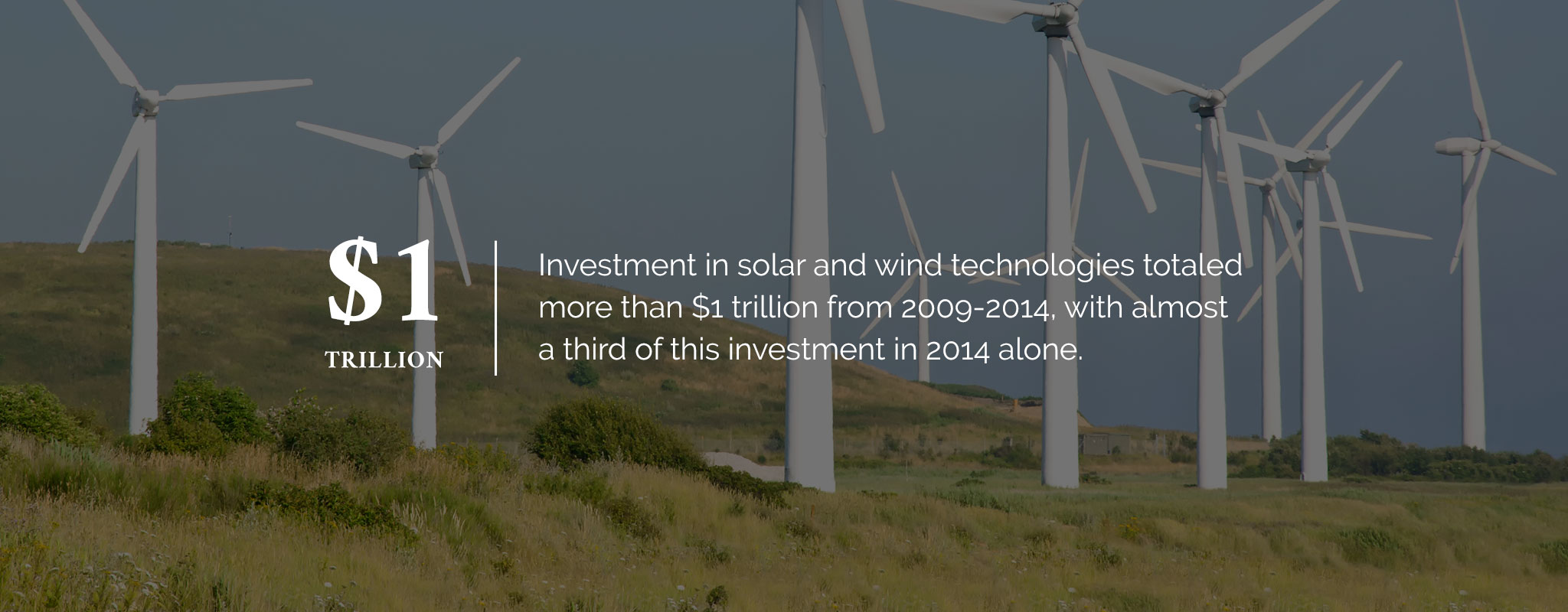
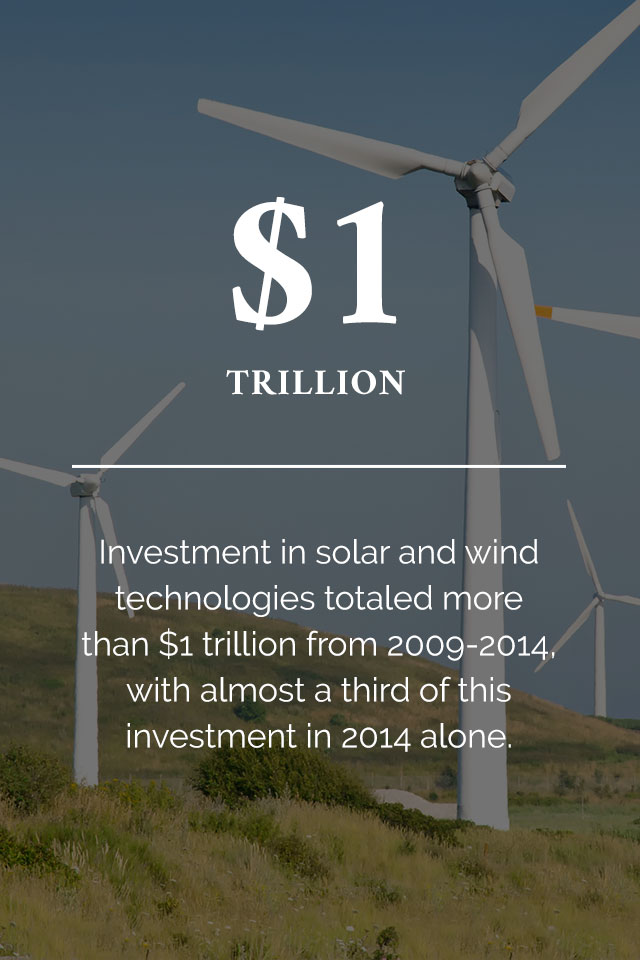
- Global investments in wind and solar reached $1 trillion between 2009 and 2014 while the cost of solar deployment declined by 73 percent from 2006 to 2014.
Expand Energy Opportunities
- Investors need greater access to suitable low-carbon portfolios and products.
- Barriers remain to shifting mainstream investment toward sustainable practices that take into account the full spectrum of risks and opportunities.
- Asset managers lack a shared community to collaborate on how to integrate climate change into their decisions.
- The investment community is in need of viable investments in renewable energy in order to redirect their capital.
- Modern philanthropy can provide the missing capital needed to get projects up and running and incentivize investors.
Take a Holistic Approach
- Distributed technologies can provide a holistic approach to development that is both economically and environmentally sustainable.
- Access: Micro-grid or off-grid renewable energy projects initiated by local entrepreneurs and communities can bring rural electrification solutions to the 1.3 Billion people without access to power.
- Infrastructure: By engaging partnerships in philanthropy and capacity-building programs for community-based economic development, the investment community can fund a burgeoning low-carbon energy sector.
Learn more about the role all of us can play in a low-carbon future.